

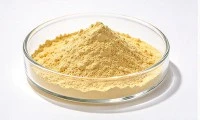
is highly regarded for its powerful anti-aging and skin-renewal properties, but its effectiveness and safety are often a concern for sensitive skin. In this article, I'll take a closer look at whether retinol is good for sensitive skin and how to optimize its effects with different forms of retinol to suit the needs of sensitive skin. We'll break down retinol's mechanism of action, provide specific case studies, and compare retinol to other natural alternatives to help you choose the best skincare regimen for sensitive skin.
- Low-dose retinol for sensitive skin:
A study published in the Journal of Dermatology showed that low concentrations of retinol (0.25%) were effective in improving skin texture and reducing fine lines in sensitive skin without causing noticeable irritation [1]
[2]
1. Retinaldehyde
[3].
2. Encapsulated Retinol
[4]
1. Predictable results
Retinol, even at lower concentrations, delivers predictable and scientifically-backed skin renewal and anti-aging benefits. While natural products like chamomile or aloe vera can soothe, they may not provide the same level of measurable anti-aging benefits as retinol.
2. Concentrated effects
1. Vitamin C
Vitamin C is well known for its brightening and anti-aging properties, but it doesn't have the same irritation profile. Products containing a stabilized form of vitamin C, such as ascorbic acid or magnesium ascorbyl phosphate, may be a good choice.
2. Niacinamide
Niacinamide (vitamin B3) is another ingredient that works well for sensitive skin. It helps improve skin barrier function and reduce redness and irritation while providing anti-aging benefits.